Stadiums
A stadium has to hold tens of thousands of people and, almost always, be ready on a set date. The Maracanã was raised in less than two years for the 1950 World Cup: a concrete ring for more than 150,000 people, covered by a cantilevered canopy without a single column underneath, demolished in 2011.
In Houston, the Astrodome (1962–1965) covered an entire baseball stadium with a steel dome spanning 195.7 m, with no column in the middle, and the light from the skylights ended up killing the grass. In Munich, the Olympic Stadium (1969–1972) hung more than 70,000 square meters of acrylic from a cable net nobody knew how to calculate, and the roof only came to stand with the help of a computer.
Each page has the structure's fact sheet, the cost and what happened to the stadium afterwards.
Structures on this topic
-
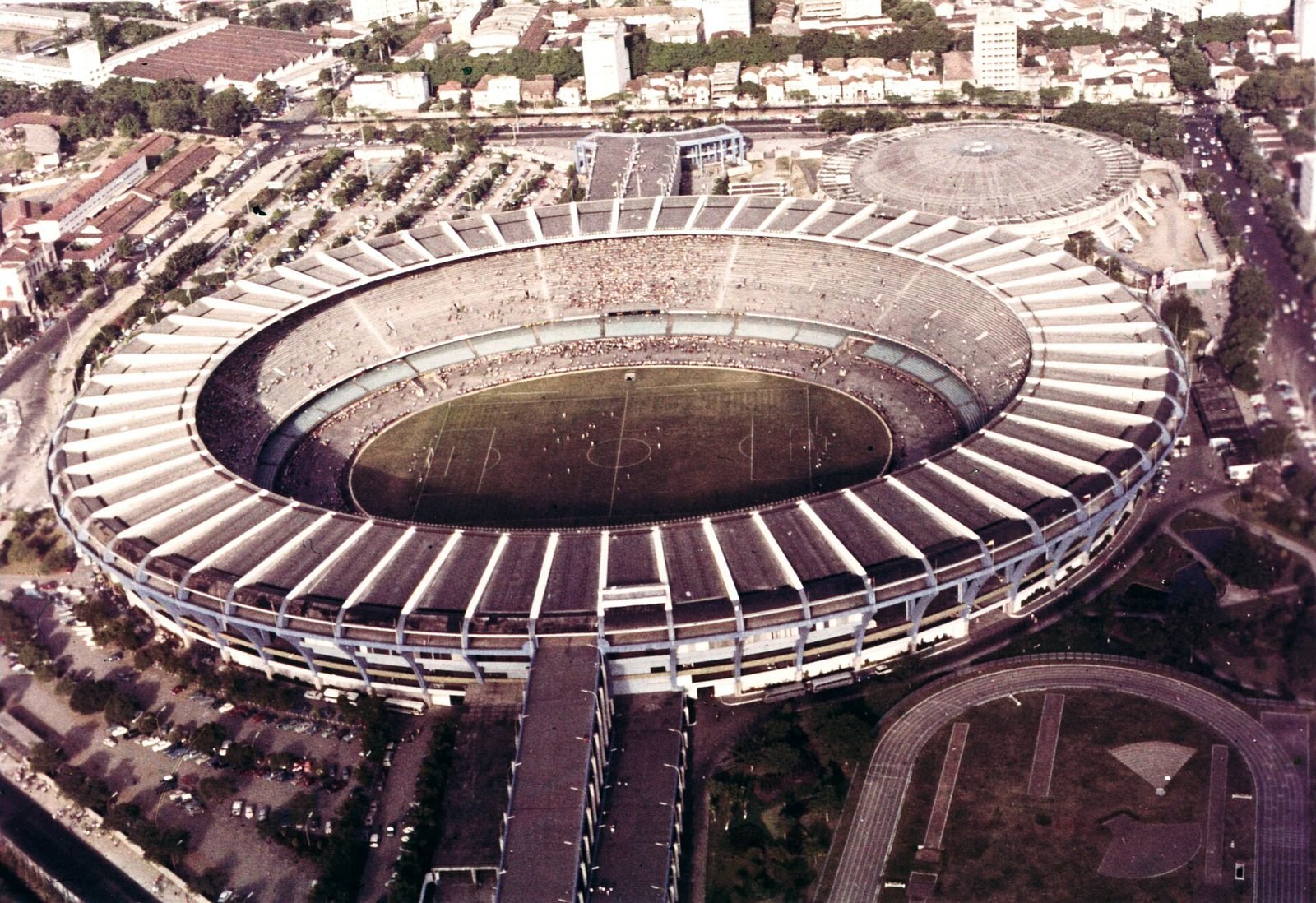
Maracanã Stadium
Maracanã neighborhood, Rio de Janeiro, Rio de Janeiro state, Brazil · 1948–1950How Rio built Maracanã in under two years, the largest stadium of its day, for the 1950 World Cup, and why its pillar-free canopy was torn down in 2011.
BrazilRead the story → -
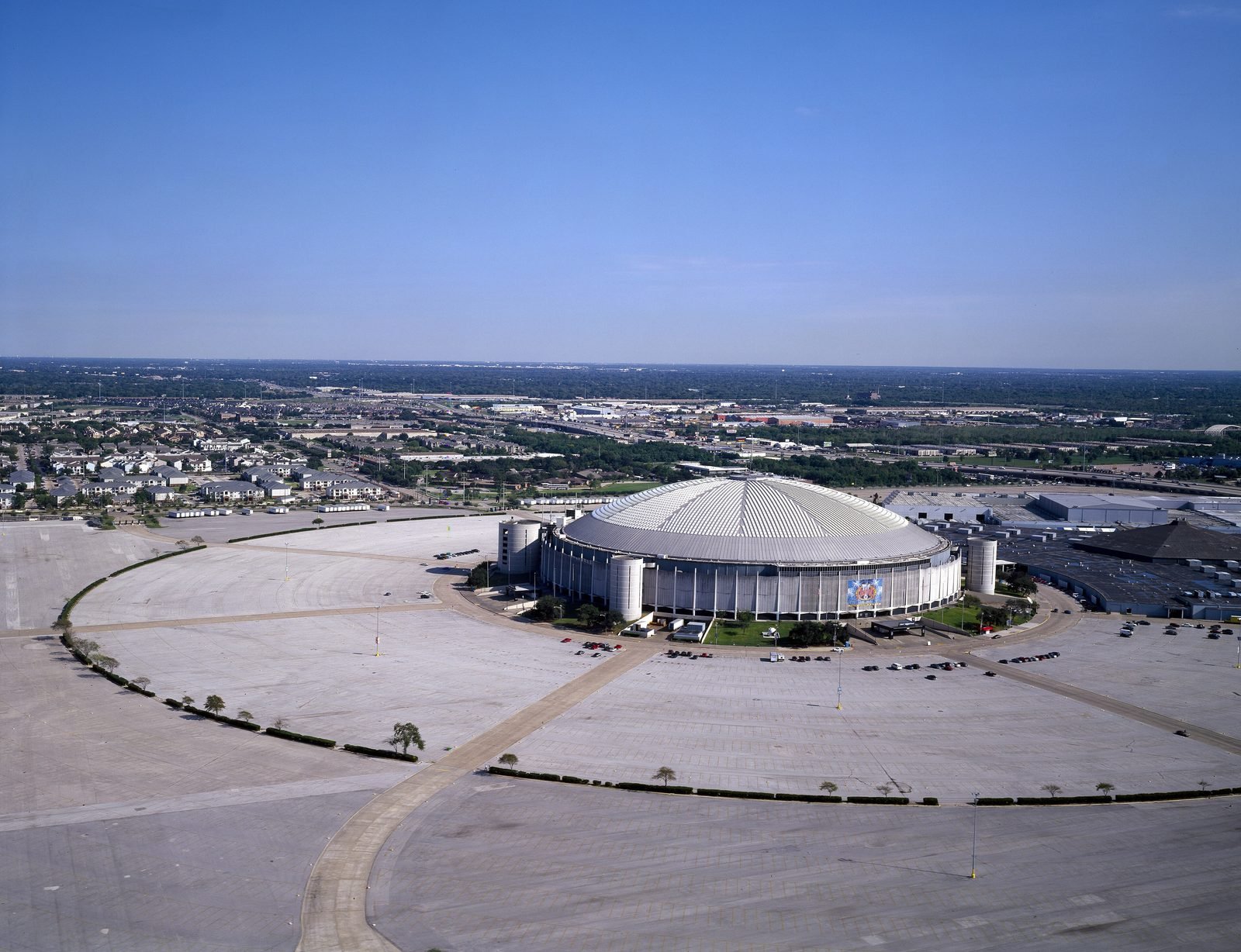
Astrodome
NRG Park, Houston, Texas, United States · 1962–1965How Houston roofed the Astrodome with a 196 m dome in 1965, why the light through the roof killed the grass, and what is done today with the closed dome.
WorldRead the story → -
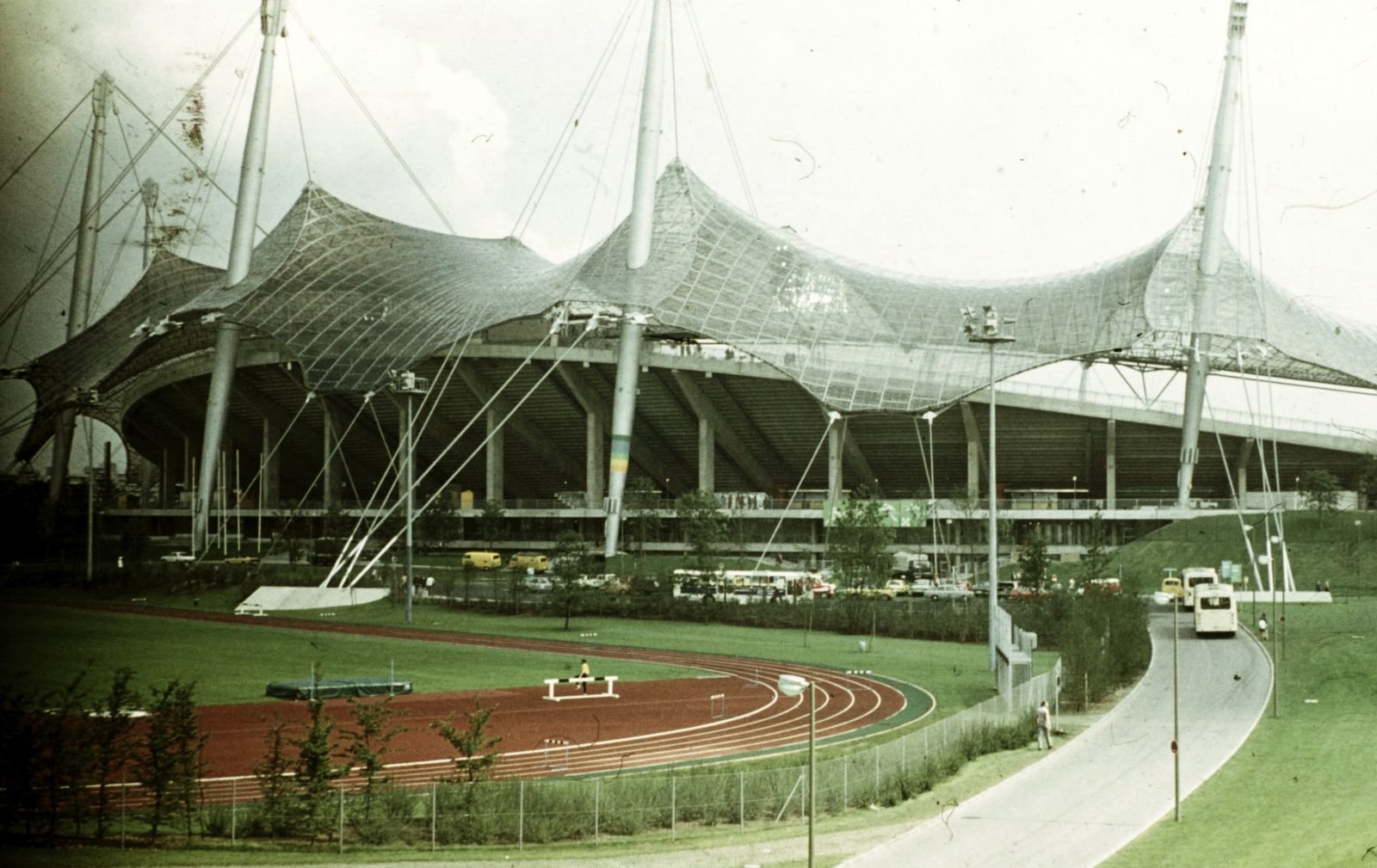
Munich Olympic Stadium
Olympic Park, Munich, Bavaria, Germany · 1969–1972How the cable-and-acrylic roof of the Munich Olympic Stadium came from a nylon stocking, went through wire models and only stood up thanks to a computer.
WorldRead the story →


Other topics
The structures grouped by the problem they solved: bridges, skyscrapers, tunnels, stadiums, water.