Great structures of Brazil
From the top of Corcovado to the forest of Rondônia, the Brazilian structures on this site share a problem that seemed to have no solution. Christ the Redeemer (1922–1931) is a 38 m figure of reinforced concrete, with a soapstone skin, on the summit of a granite needle. The Maracanã was finished in less than two years for the 1950 World Cup, and the National Congress was inaugurated with Brasília, on 21 April 1960, still unfinished.
In São Paulo, the Santos–Jundiaí Railway conquered the Serra do Mar in 1867, the Martinelli rose to 30 stories when almost no building in the city went beyond five, and MASP suspended an entire museum 8 m above Avenida Paulista. In Florianópolis, the Hercílio Luz Bridge stayed closed for 28 years before reopening in 2019. In the Amazon, the Madeira-Mamoré Railroad laid track through more than 360 km of forest, swamp and rapids.
Over the water, the Rio–Niterói Bridge crossed Guanabara Bay with more than 13 km of bridge, and Itaipu diverted the Paraná River to raise a 196 m dam on the border with Paraguay. Each page has the full fact sheet, with the confidence level of every number.
Structures on this topic
-
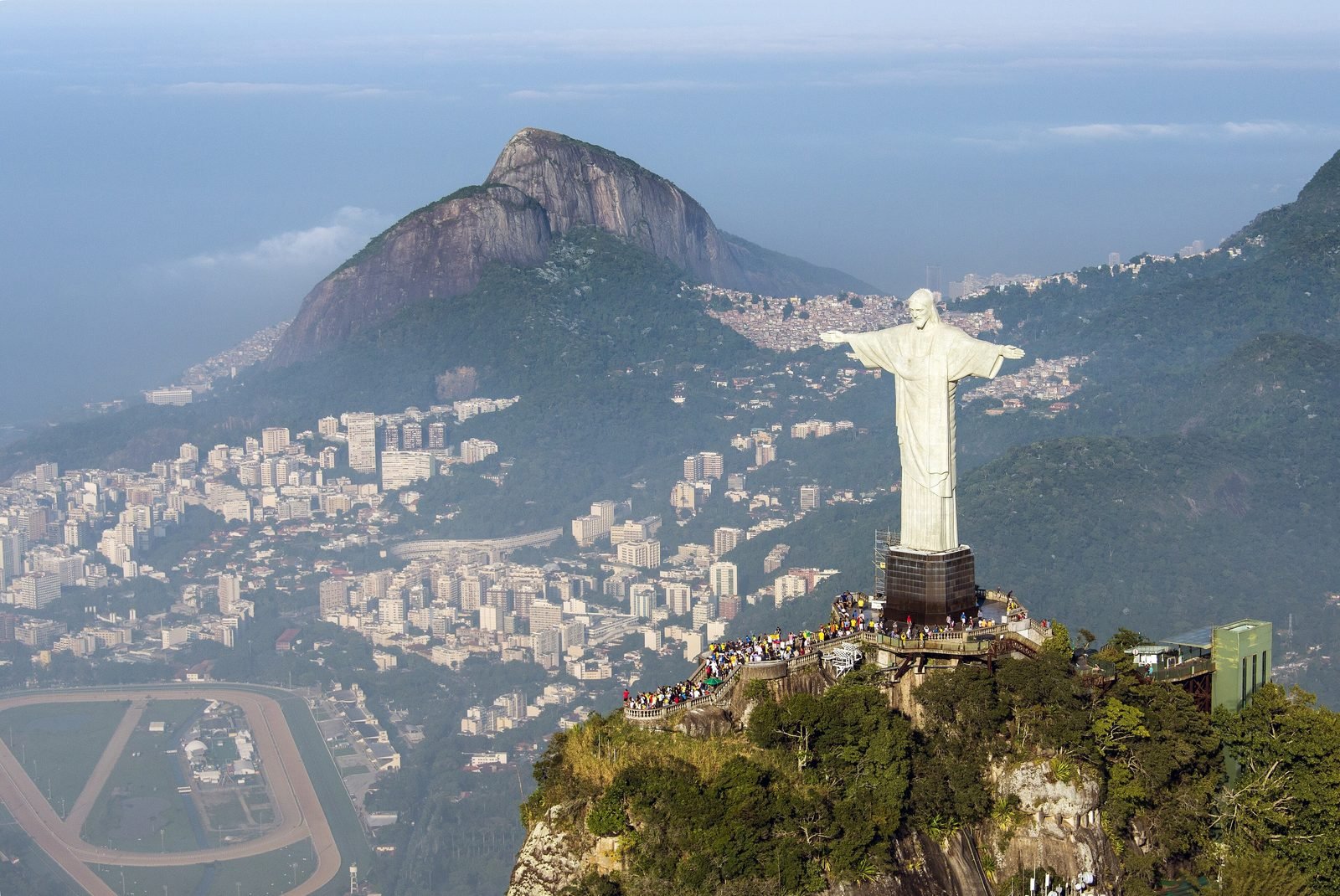
Christ the Redeemer
Corcovado, Rio de Janeiro, Brazil · 1922–1931How Christ the Redeemer was raised on Corcovado: reinforced concrete, a head modeled in Paris, a soapstone skin and the numbers nobody wrote down.
BrazilRead the story → -
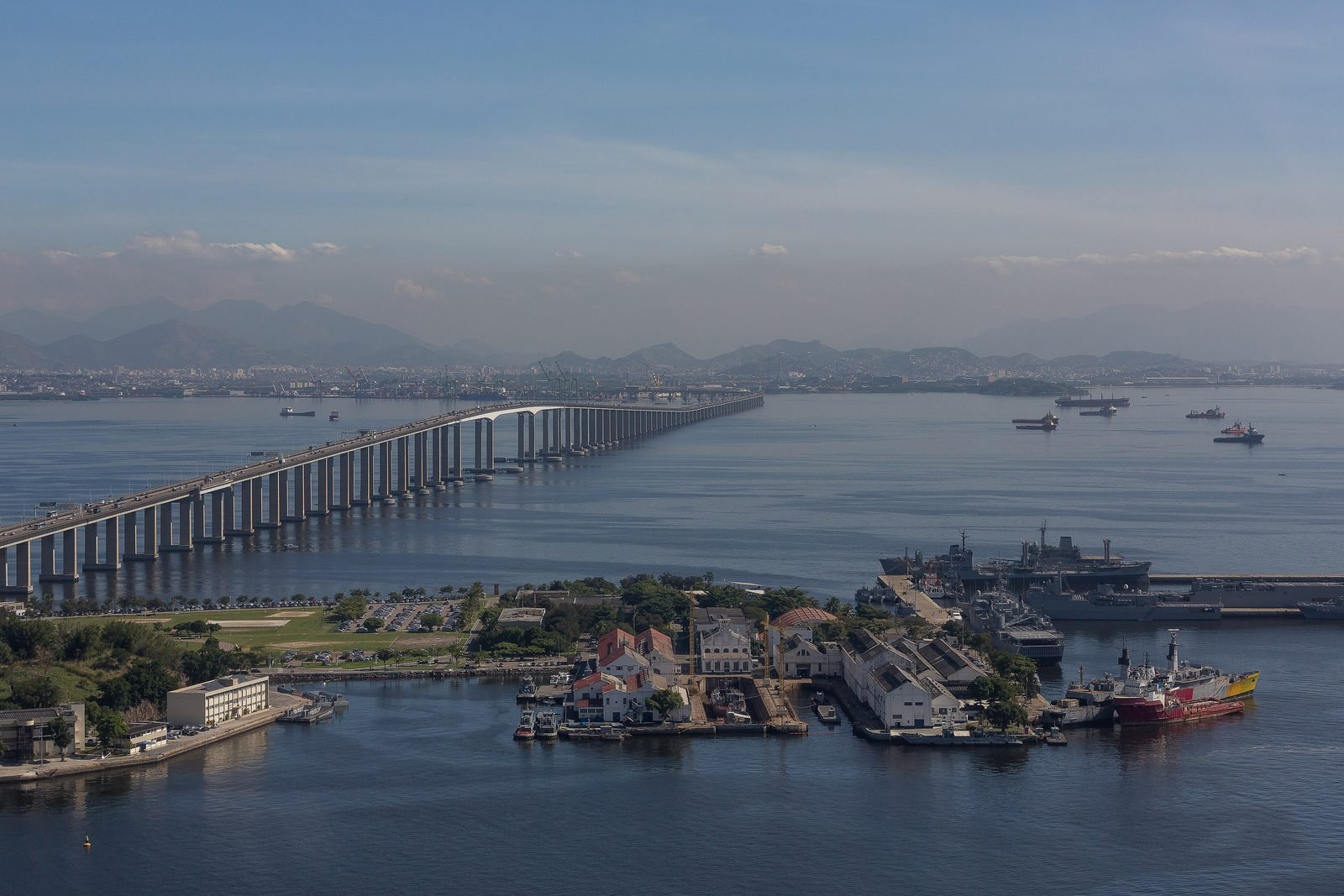
Rio–Niterói Bridge
Guanabara Bay, between Rio de Janeiro and Niterói, Brazil · 1969–1974How the Rio–Niterói Bridge was built: more than 13 km over Guanabara Bay, a steel span between ships and planes, and a death toll that never added up.
BrazilRead the story → -
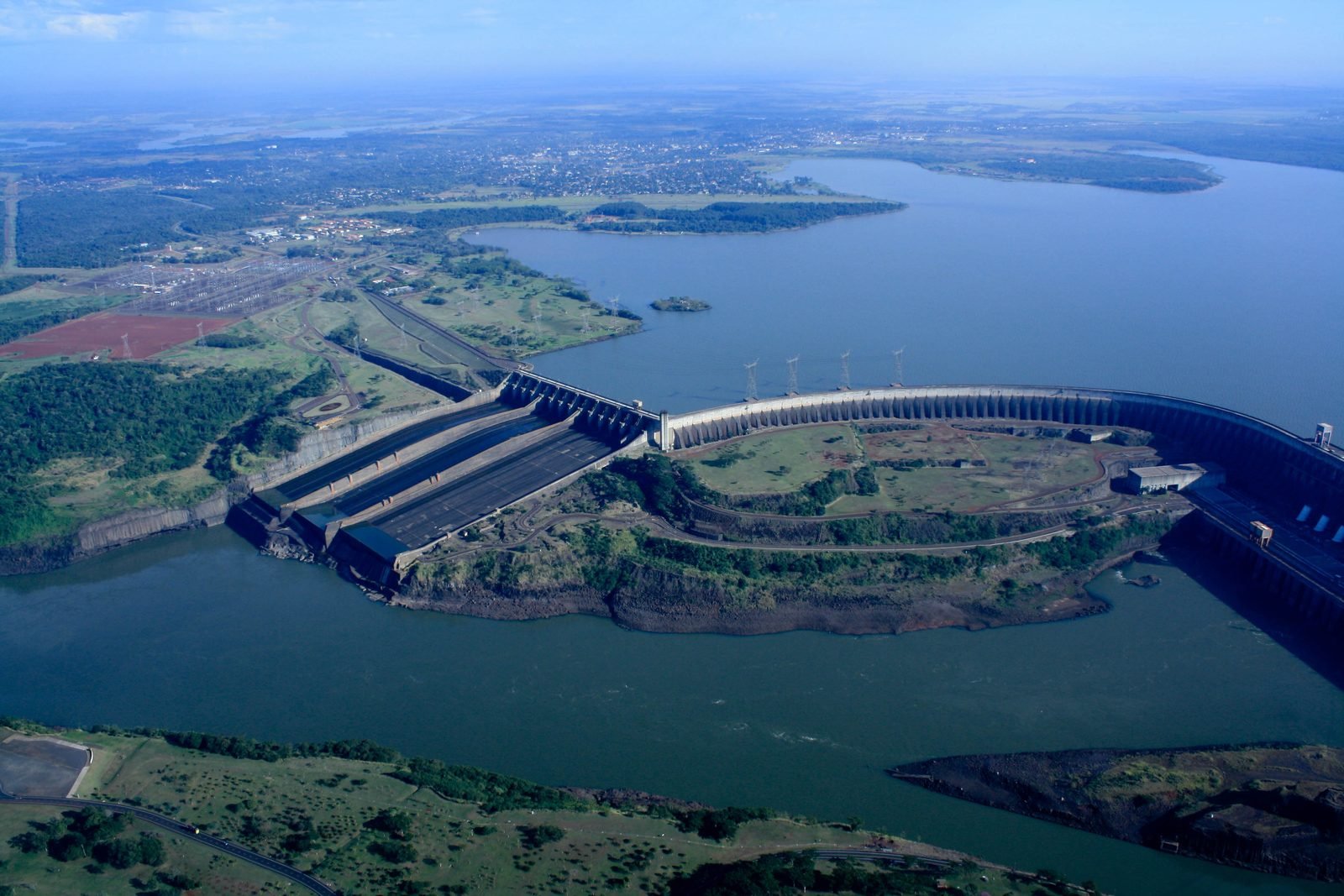
Itaipu Dam
Paraná River, between Foz do Iguaçu, Brazil, and Hernandarias, Paraguay · 1975–1984How Brazil and Paraguay diverted the Paraná River, built Itaipu and drowned Sete Quedas in 14 days, and why the death toll is still only an estimate.
BrazilRead the story → -
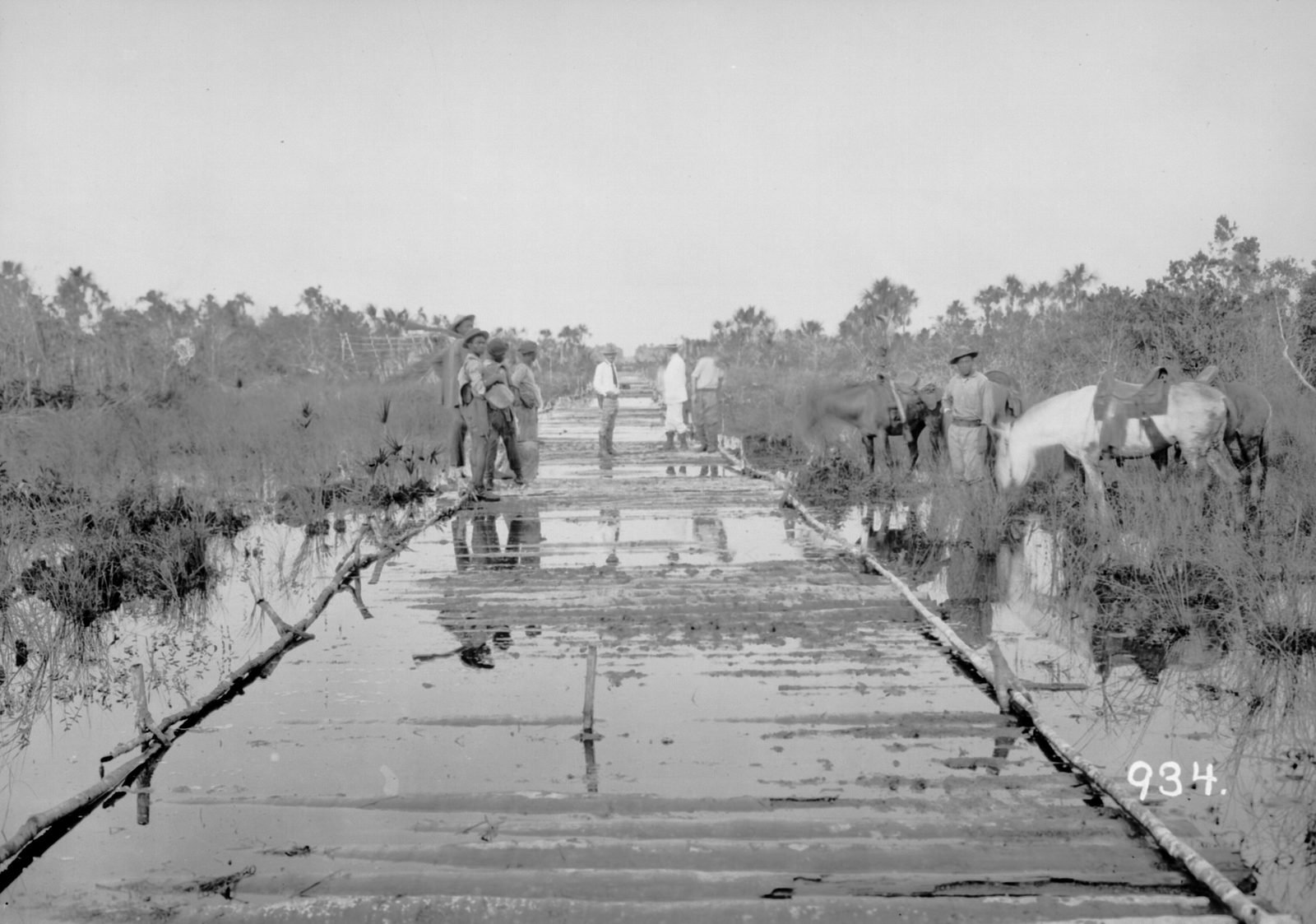
Madeira-Mamoré Railroad
From Porto Velho to Guajará-Mirim, Rondônia, Brazil · 1907–1912How the Madeira-Mamoré Railroad got through swamp, rapids and malaria in the Amazon, and why its death toll runs from under 2,000 to 6,000 or more.
BrazilRead the story → -
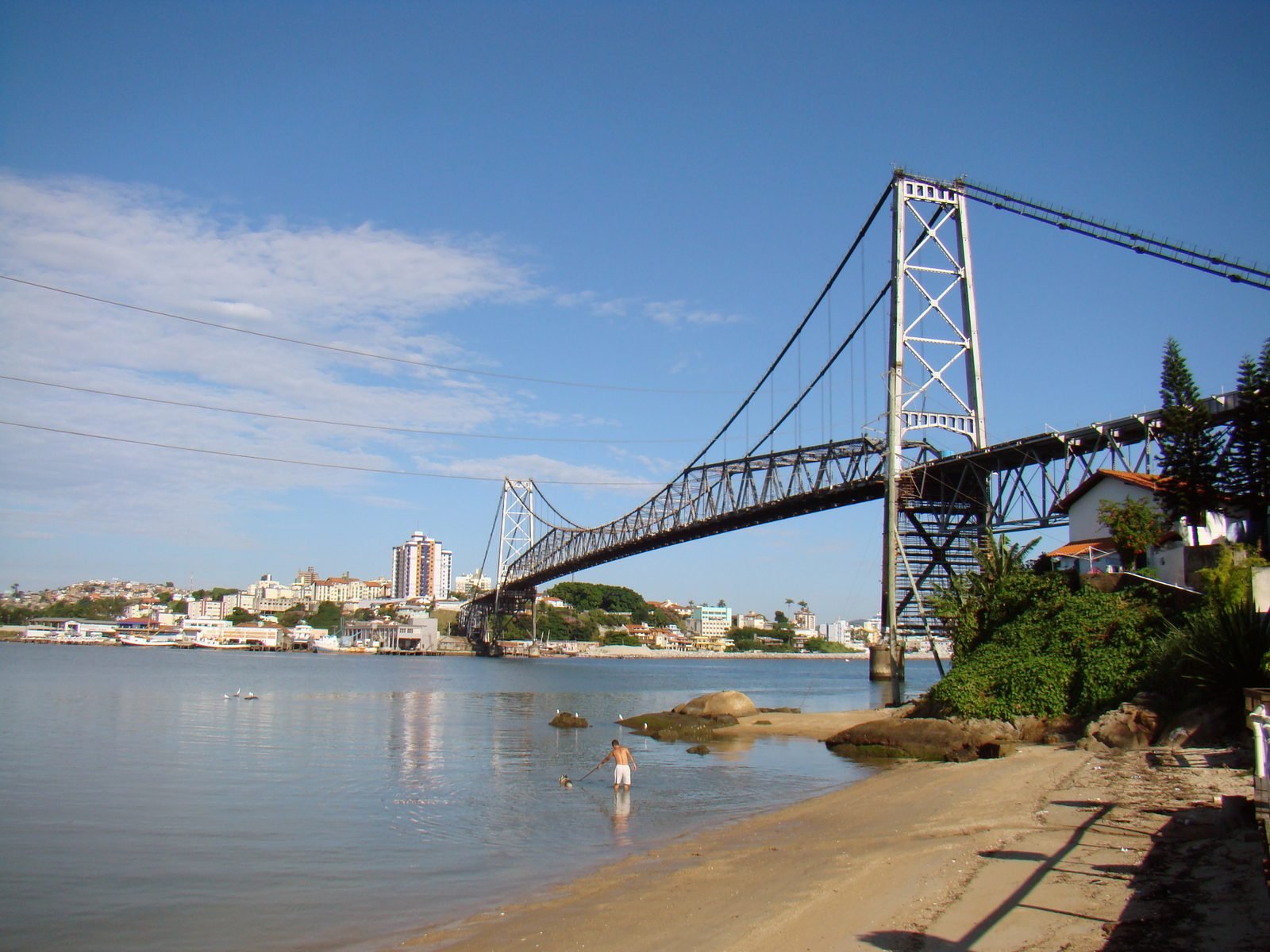
Hercílio Luz Bridge
Strait between Santa Catarina Island and the mainland, Florianópolis, Santa Catarina, Brazil · 1922–1926How Florianópolis got the Hercílio Luz Bridge, an eyebar-chain suspension bridge, in 1926, why it was closed for 28 years and what it took to reopen it.
BrazilRead the story → -
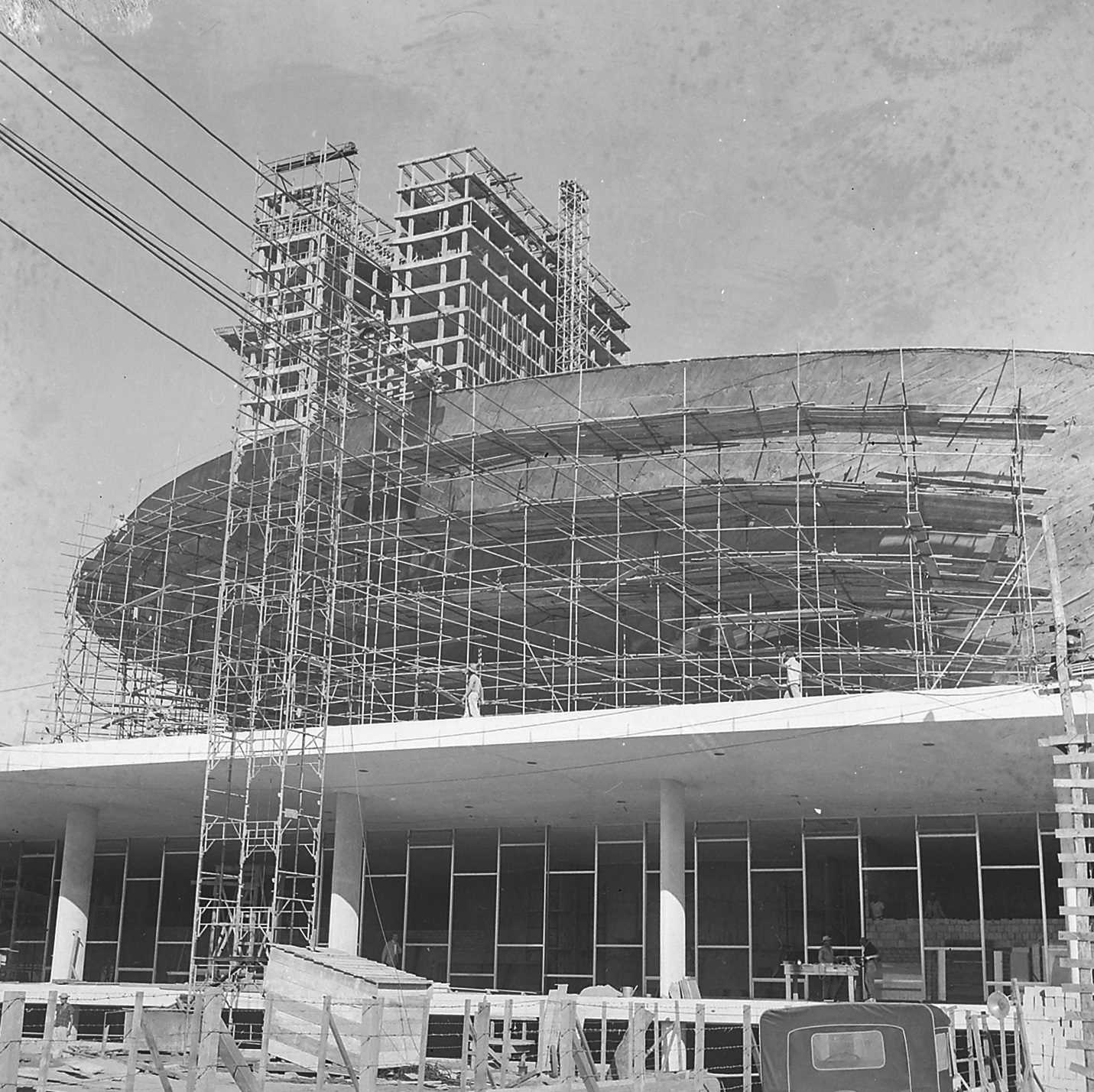
National Congress of Brazil
Three Powers Plaza, Brasília, Federal District, Brazil · 1957–1960How Niemeyer and structural engineer Joaquim Cardozo made the domes and towers of Brazil's Congress for 21 April 1960, and what was still missing that day.
BrazilRead the story → -
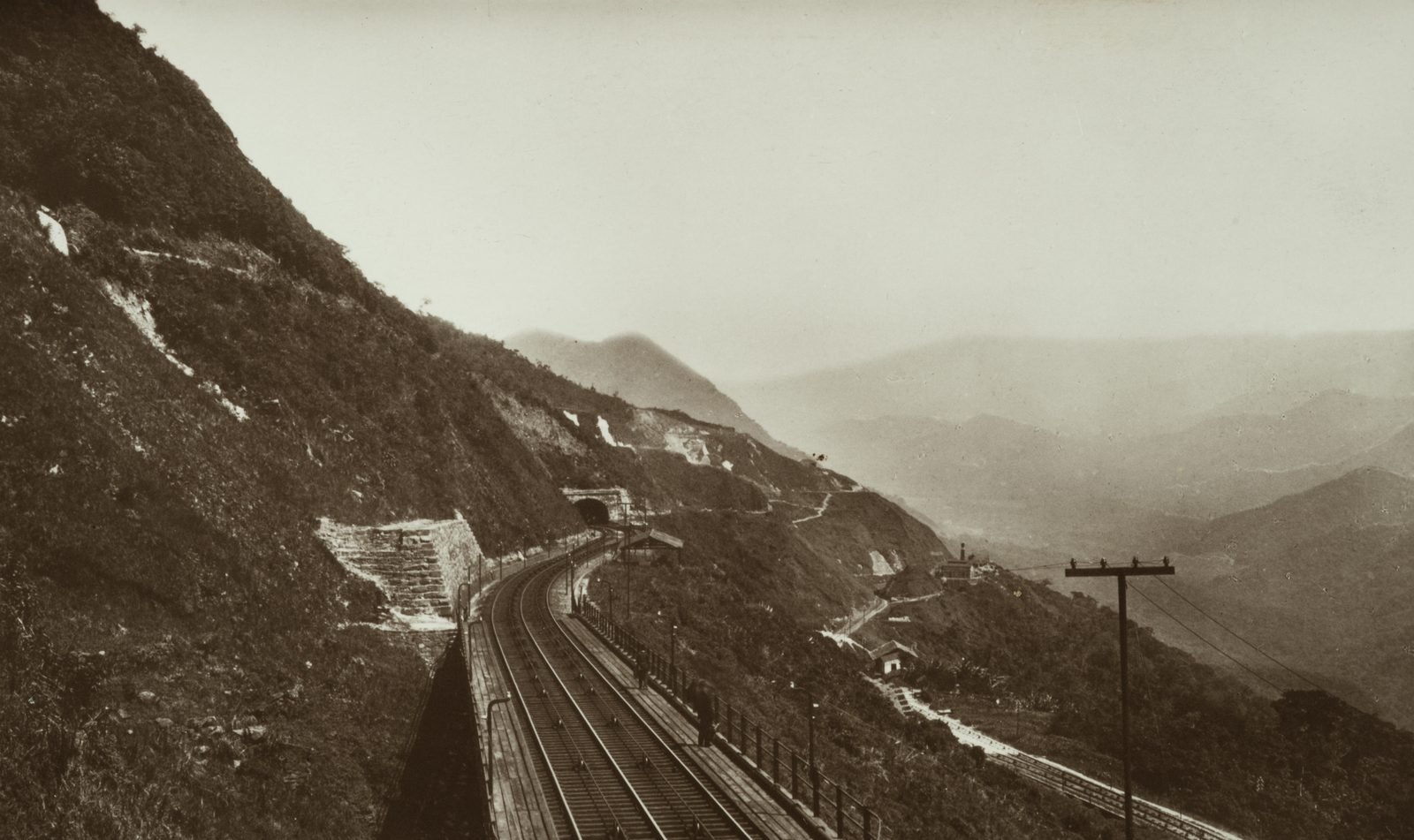
Santos–Jundiaí Railway
Serra do Mar, between Santos and Jundiaí, by way of the city of São Paulo, São Paulo State, Brazil · 1860–1867How the São Paulo Railway, the Santos–Jundiaí line, beat the Serra do Mar in 1867 with four inclines, cable and steam, and why the idea is back in 2026.
BrazilRead the story → -
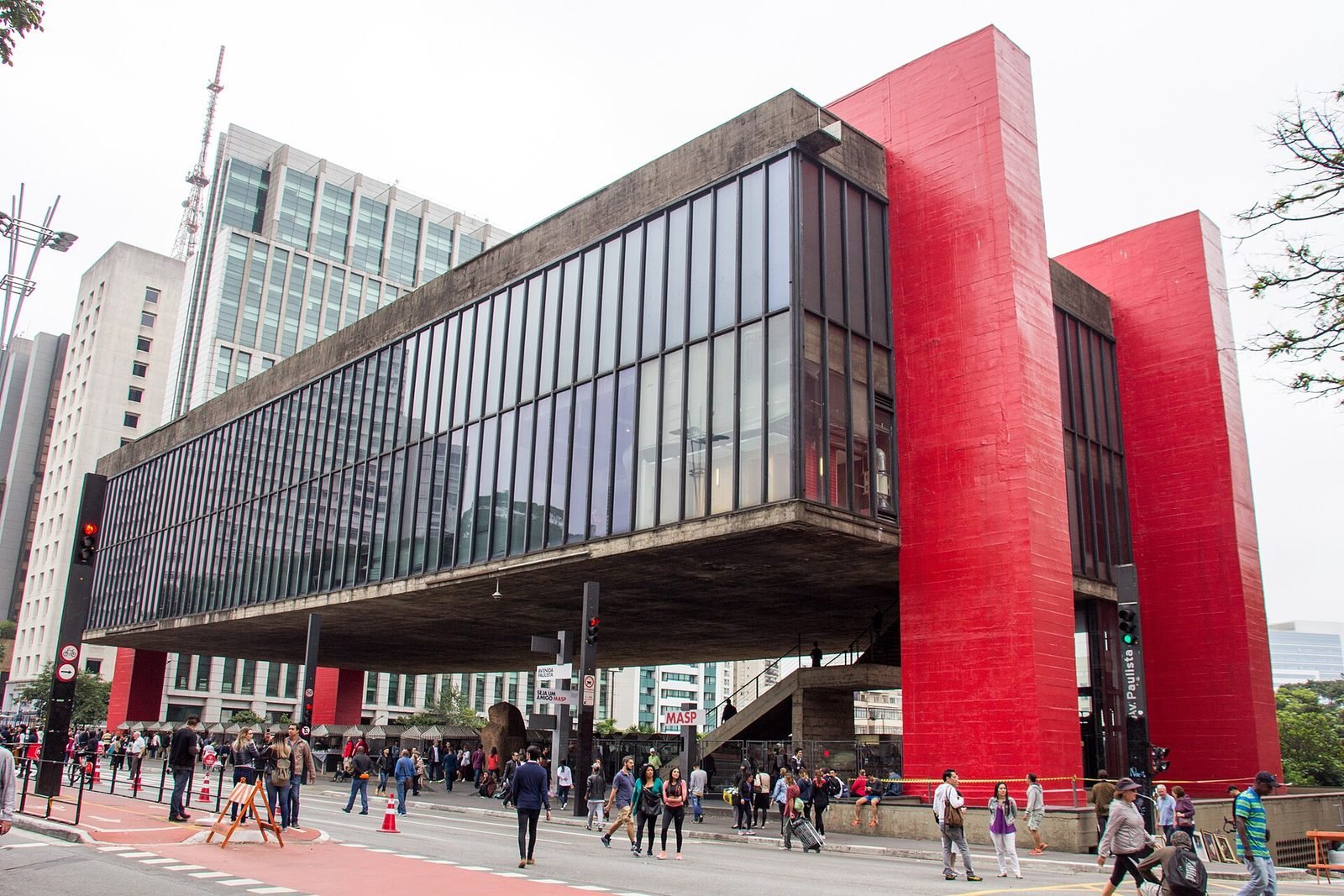
São Paulo Museum of Art (MASP)
Avenida Paulista, Bela Vista, São Paulo, Brazil · 1960–1968How Lina Bo Bardi and Figueiredo Ferraz lifted MASP over a column-free span on Avenida Paulista, why it turned red and what changed there in 2026.
BrazilRead the story → -
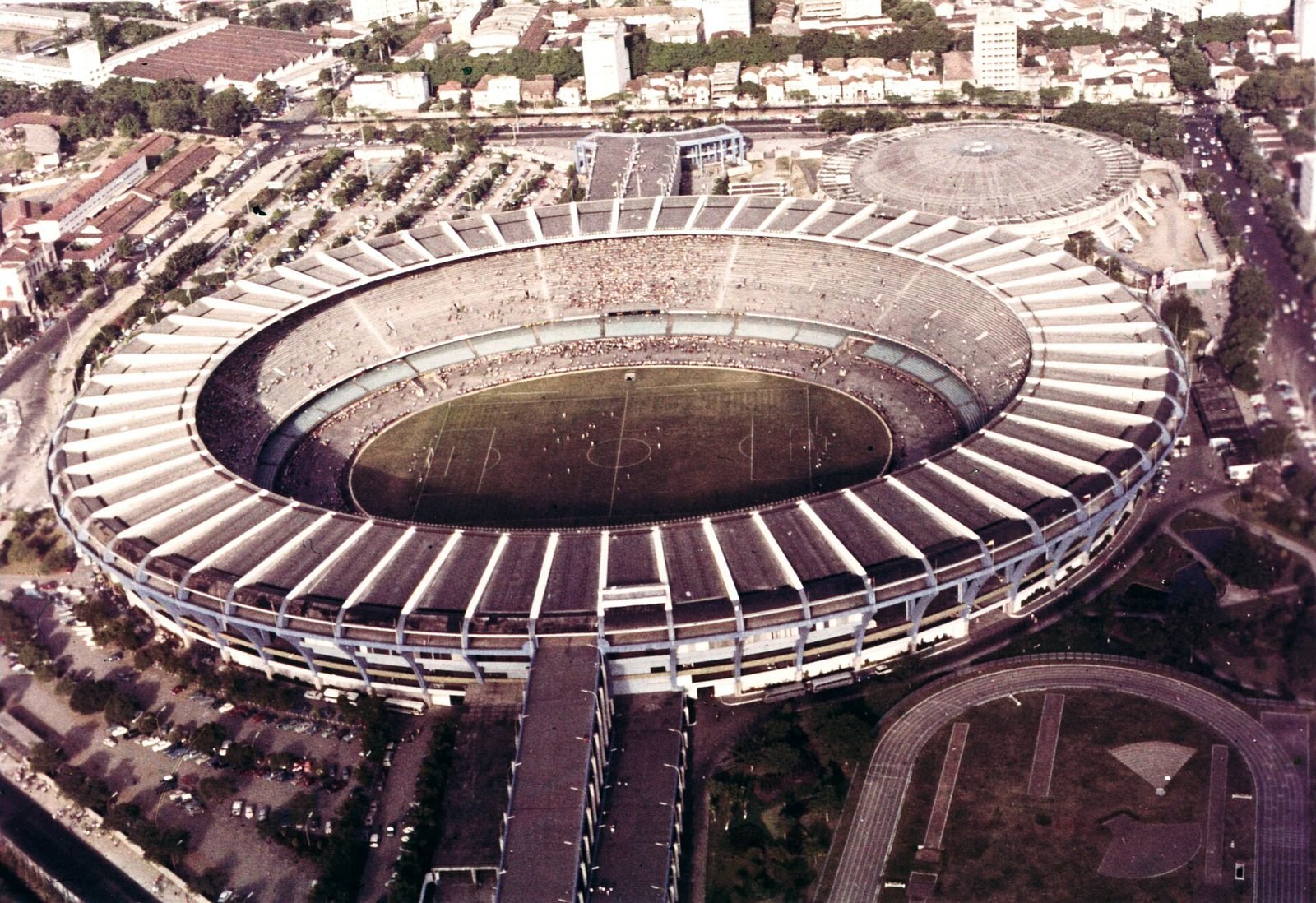
Maracanã Stadium
Maracanã neighborhood, Rio de Janeiro, Rio de Janeiro state, Brazil · 1948–1950How Rio built Maracanã in under two years, the largest stadium of its day, for the 1950 World Cup, and why its pillar-free canopy was torn down in 2011.
BrazilRead the story → -
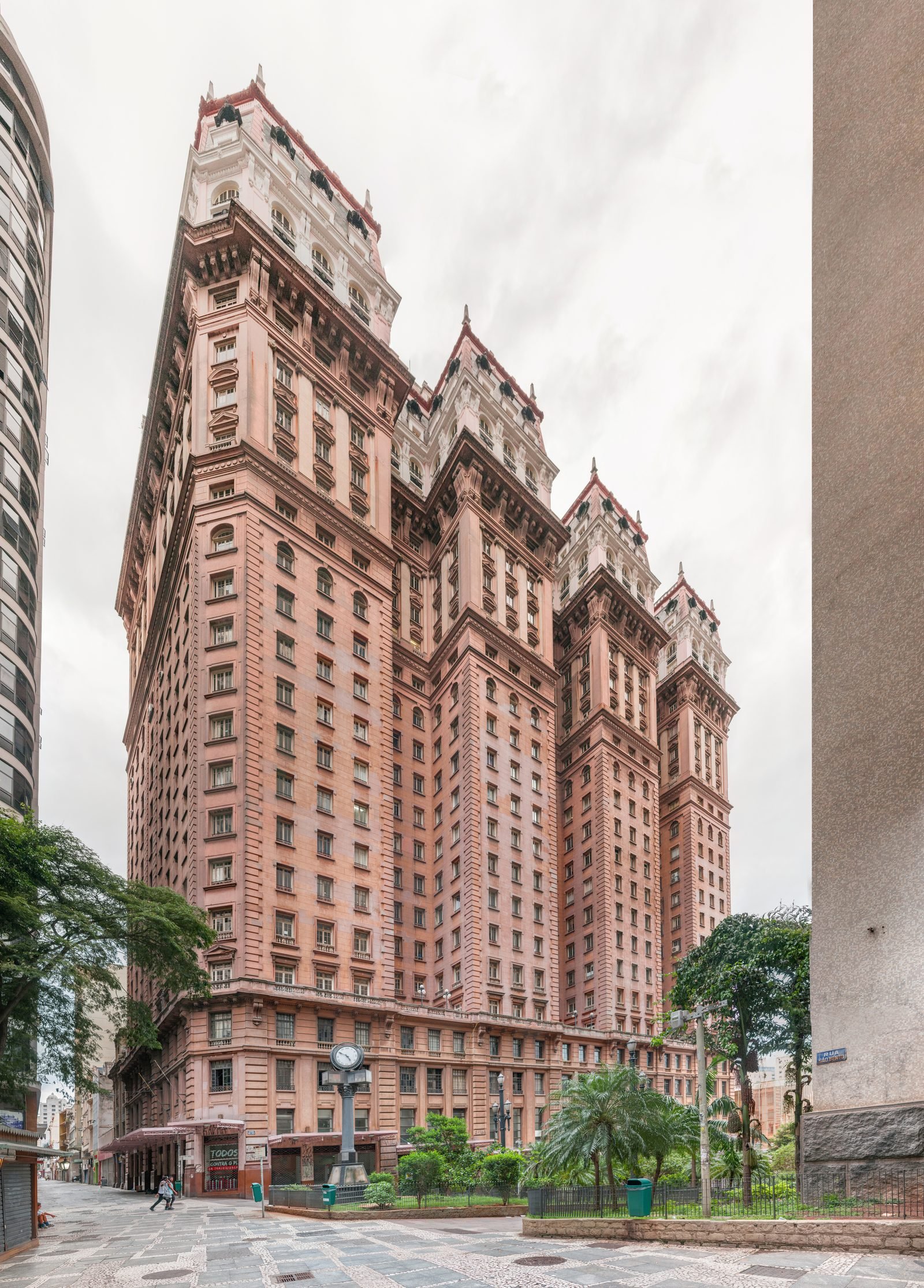
Martinelli Building
Rua São Bento, Avenida São João and Rua Líbero Badaró, downtown São Paulo, São Paulo, Brazil · 1924–1934How an Italian immigrant pushed the Martinelli from 12 or 14 to 30 stories, fought a stop-work order, lived at the top and lost it all to his debts.
BrazilRead the story →


Other topics
The structures grouped by the problem they solved: bridges, skyscrapers, tunnels, stadiums, water.